
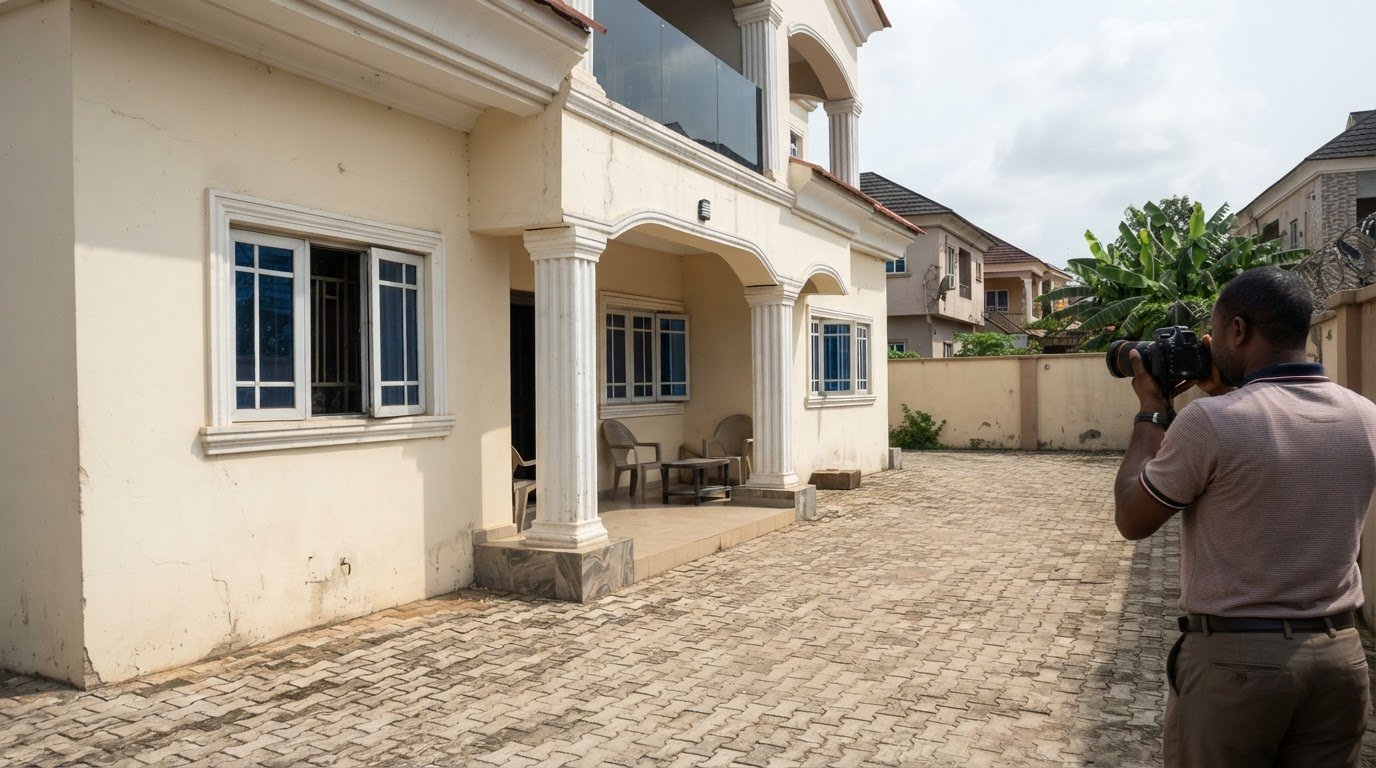
A sharper rental listing can help turn empty days into occupied ones. Professional property management can support reducing vacancy rates in rental properties by improving how homes are presented, keeping them rent-ready and responding promptly to prospective tenants. As a US comparison, economic vacancy below 5% is considered healthy for single-family rentals and small multifamily properties in 2026, while a rate above 10% can signal a pricing, marketing or retention problem.
It’s reasonable to ask whether professional management can make a difference. It can bring vacancy-reduction steps together, although results still depend on the property and its local market. This article explains how vacancies affect rental income, what strong photos and descriptions should show, and how to use US vacancy benchmarks as context rather than targets for Nigeria. You’ll also find practical ways to make listings clearer and more appealing to prospective tenants.
Key Takeaways
- Measure vacancy as lost rental income and turnover time, then identify where better tenant retention or incentives may help.
- Build more useful listings with clear, high-quality photos, accurate details and a description that presents the property honestly.
- Keep the property clean, maintained and ready to show so avoidable repairs or presentation issues don’t delay a new tenancy.
- Use US vacancy benchmarks as context, while judging performance against local Nigerian demand, rents and property conditions.
1. How much does vacancy actually cost landlords?
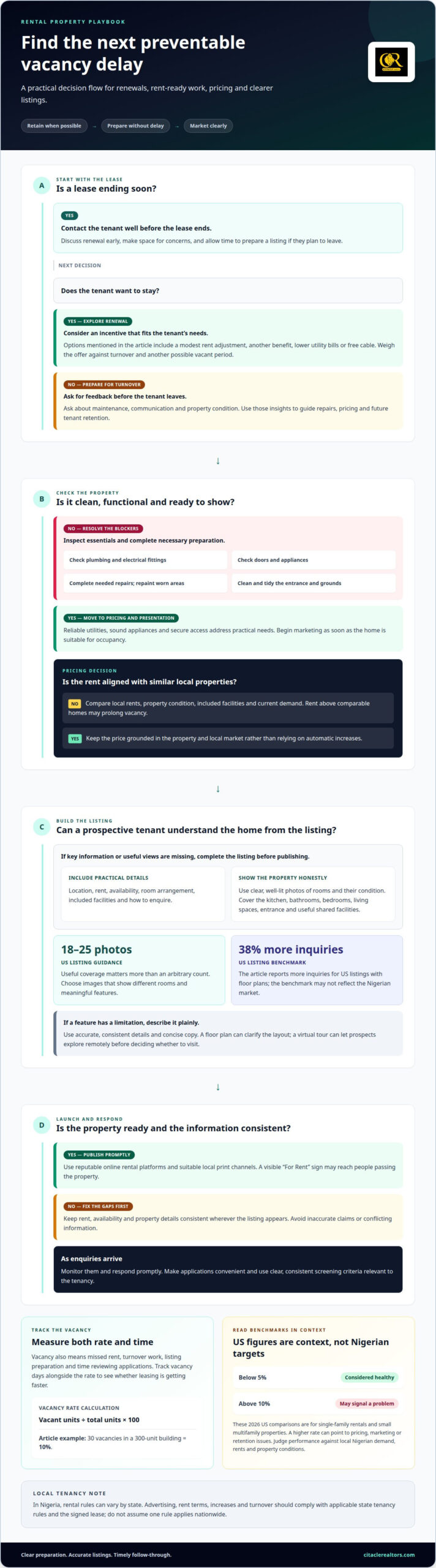
Vacancy costs more than the rent missed while a unit sits empty. Owners also face turnover work, listing preparation, and time spent reviewing applications. For a simple measure, divide vacant units by total units, then multiply by 100. A 300-unit building with 30 vacancies has a 10% vacancy rate. Tracking this figure alongside vacancy days shows whether leasing is getting faster.
Tenant incentives can help retain residents or attract applicants. When discussing a renewal, consider a modest rent adjustment or another benefit that reflects the tenant’s needs. A reduced rate or other incentive tied to a longer rental may encourage the tenant to stay. Lower utility bills or free cable are other possible offers. Weigh each incentive against the cost of turnover and another vacant period before deciding.
Plan renewals before a lease ends. Contact tenants about renewal well before a lease ends, allowing time to discuss concerns and prepare a listing if they leave. Ask departing tenants for feedback about maintenance, communication, and property condition. These exit interviews can reveal practical issues to address before advertising again. Good property management connects that feedback to repairs, pricing, and tenant retention.
Choose advertising channels that reach likely tenants, including suitable local platforms and non-English-language media where appropriate. Keep the listing accurate and consistent wherever it appears. Make applications convenient and respond promptly so interested renters aren’t left waiting. Apply screening standards consistently, using clear criteria relevant to the tenancy. An organised process helps you assess applications without avoidable delays.
In Nigeria, rental rules can vary by state, so advertising, rent terms, increases, and turnover should comply with applicable state tenancy rules and the signed lease. Some states have sought to regulate advance rent payable by incoming tenants. Don’t assume one rule applies nationwide.
2. Creating effective rental listings with photos and descriptions
A rental listing should help prospective tenants picture daily life in the property. Start with practical details: location, rent, availability, room arrangement, included facilities, and how to enquire. Use direct, accurate descriptions rather than broad claims. For example, mention a separate living area or nearby transport only if those details are accurate. Consistent information across platforms builds trust and prevents confusion.
For landlords focused on reducing vacancy rates in rental properties, prepare the home before the turnover ends. Complete cleaning and essential repairs, then photograph rooms in good light. Show clear views of their size and condition. Include the kitchen, bathrooms, bedrooms, living spaces, entrance, and useful shared facilities. A floor plan helps applicants understand the layout before arranging a viewing. US rental listings with floor plans receive 38% more inquiries, though that benchmark may not reflect the Nigerian market.
US listing guidance suggests using 18–25 photos, but useful coverage matters more than an arbitrary count. Select images that show different rooms and meaningful features without misleading angles. Pair them with concise copy, correct grammar, and realistic details about limitations. If a room is compact or a facility is shared, describe it plainly. Virtual tours can let prospective tenants explore remotely before deciding whether to visit.
Reducing vacancy rates in rental properties also means marketing promptly once a home is ready. Advertise on multiple reputable online rental platforms and use suitable local print channels. A visible For Rent sign may reach people passing the property. Keep the rent, availability, and property details consistent across listings. Monitor enquiries and respond quickly, since delays may give interested applicants time to pursue another home. Clear presentation helps landlords guide suitable prospects toward applying.
Preparing and maintaining rent-ready properties
Effective vacancy-reduction strategies combine competitive pricing, prompt repairs, clear listings, and timely responses. Keep each property clean, functional, and ready to view, then begin marketing as soon as it is suitable for occupancy. These steps can reduce downtime and help protect rental income between tenants.
Before advertising, inspect the plumbing, electrical fittings, doors, appliances, and other essential features. Complete necessary repairs, repaint worn areas, and tidy the entrance and grounds. Clean, well-maintained spaces help prospective tenants assess the property with confidence. Useful amenities depend on the home and its local market, but reliable utilities, sound appliances, and secure access address practical needs.
Vacancy reduces income because rent stops while some property expenses continue. Turnover can add cleaning, repair, and preparation costs. To set a competitive rent, compare similar local properties, consider their condition and included facilities, and review current demand. Rent set above comparable homes may prolong vacancy. Base your price on the property and market, rather than relying on automatic increases.
For a mid-month move-in, calculate prorated rent by dividing monthly rent by 30 days, then multiplying the daily amount by the billable days. Record the agreed move-in date and prorated payment in the lease. A rent-to-own arrangement may encourage a tenant to stay and care for the property, while clearly documented terms help both parties understand their responsibilities.
Use rental software or a simple tracking system to record lease dates, maintenance issues, payments, and vacancy days. Schedule inspections between tenancies and arrange repairs as soon as a tenant leaves. This helps you launch the next listing sooner and identify recurring problems. Review rent increases against comparable local rents and property improvements, then communicate any changes clearly. Consistent upkeep and responsive management can help a vacant unit become an occupied home sooner.
4. Vacancy benchmarks for US rental properties
US vacancy figures offer context, not a target for Nigerian landlords. In 2026, economic vacancy below 5% is considered healthy for US single-family rentals and small multifamily properties. Above 10% can signal a pricing, marketing, or retention problem that needs attention. These benchmarks describe US property types and shouldn’t be treated as Nigerian market standards.
The national US rental vacancy rate was 7.2% in Q4 2025. A broader benchmark describes rates below 6–7% as generally healthy, while recognising regional and property-type differences. That range and the under-5% benchmark aren’t interchangeable: one is a general reference, while the other applies to specific property categories. Compare like with like before drawing conclusions.
A vacancy rate is most useful as a trend. Track the same properties over time, alongside vacancy days, renewal decisions, and inquiry volume. For example, rising vacancies and fewer inquiries may point to weak visibility or pricing. Strong inquiry levels but few completed applications may instead indicate friction in the viewing or application process.
Use US figures to frame questions, not to copy US pricing or incentives. In Nigeria, local housing supply, location, property condition, and prospective tenants’ needs shape demand. If a unit remains vacant, assess whether its rent matches comparable local homes, whether the listing reaches suitable renters, and whether the property is ready to occupy. For existing tenants, timely renewal discussions and appropriate incentives can support retention.
The practical takeaway is to set a local baseline, then review changes consistently. If vacancy rises, investigate pricing, presentation, inquiries, and tenant renewals before choosing a response. A US benchmark can indicate when closer attention may be useful, but local evidence should guide decisions in Nigeria. Discuss a vacancy plan for your rental property to connect listing improvements with ongoing oversight.
Citacle Realtors: Duplex Rentals
Citacle Realtors offers Duplex Rentals and Property Management for people seeking a rental home or support overseeing rental properties. If a property is staying vacant, Property Management can help coordinate listing presentation, tenant enquiries, maintenance, and lease renewals. These practical steps can help identify where the letting process needs attention.
For prospective tenants, Citacle Realtors’ Duplex Rentals offer a way to explore available residential options. Facilities Management supports the upkeep of property facilities, while Property Renovations can address improvements that affect presentation or readiness. The right next step depends on whether you need a rental home, ongoing property oversight, or help preparing a property for tenants.
Contact Citacle Realtors to discuss your rental property or duplex needs.
Make your next rental decision with confidence
A vacant property is also an opportunity to rethink the tenant experience. Consider what could make the home easier to choose and more comfortable to occupy, then align the listing, upkeep, and renewal approach with that priority. Consistent attention to these details gives landlords a practical way to reduce vacancy rates in rental properties while keeping decisions grounded in local demand.
For support with rental oversight, Citacle Realtors offers Property Management and Facilities Management. The firm also offers Residential Land Sales for readers considering a different property investment direction. Choose the next step that fits your current property needs, whether that means improving the letting process or exploring another real estate opportunity.
Contact Citacle Realtors today to discuss your property needs. A thoughtful next step can help you move forward with greater clarity and confidence.
Frequently Asked Questions
Does professional property management actually reduce vacancy?
Professional property management can reduce avoidable vacancy by coordinating tenant enquiries, viewings, maintenance, and lease renewals. For example, a manager can arrange repairs while a tenant is still occupying the property, helping prepare for a smoother handover. They can also monitor enquiries and leasing progress, then adjust the approach when prospective tenants aren’t moving forward. Results depend on execution and local demand.
How much does vacancy actually cost landlords?
Vacancy costs landlords the rent lost during empty days, plus turnover, cleaning, repair, and marketing expenses. To estimate the cost, start with the rent the unit would have earned while vacant, then add the actual costs of preparing it for a new tenant. For a Nigerian property, use its agreed rent and documented expenses rather than a foreign market estimate.
How quickly should I respond to rental inquiries?
Respond within two hours during business hours, and sooner when practical. A quick, helpful reply can keep an interested applicant engaged while they compare available homes. Answer their immediate questions, offer a viewing time, and explain the next application step. If you can’t provide a full answer immediately, acknowledge the enquiry and give a clear follow-up time.
Ready to Minimize Vacancy and Maximize Returns?
Start by identifying where prospective tenants lose momentum: the listing, viewing arrangements, application process, or property condition. Choose one improvement, track enquiries and completed viewings, then assess whether the leasing pattern changes. For help choosing a practical next step for your property, contact Citacle Realtors to discuss your needs.
What is a good rental vacancy rate?
A good vacancy rate remains low and stable compared with similar properties in the same local market. Nigeria’s varied housing conditions mean a figure from another country may not reflect demand for your property type or location. Compare similar rentals and watch whether vacancies are shortening, renewals are holding, and qualified applicants are progressing to tenancy.
How do landlords calculate vacancy rate and compare it with local averages?
Divide the number of vacant units by the total rental units, then multiply by 100. For a meaningful comparison, use the same measurement period and compare similar property types in the same local area. Track the figure consistently, since a single snapshot may hide seasonal changes. Also compare vacancy duration and enquiry volume to understand what may be driving the result.