
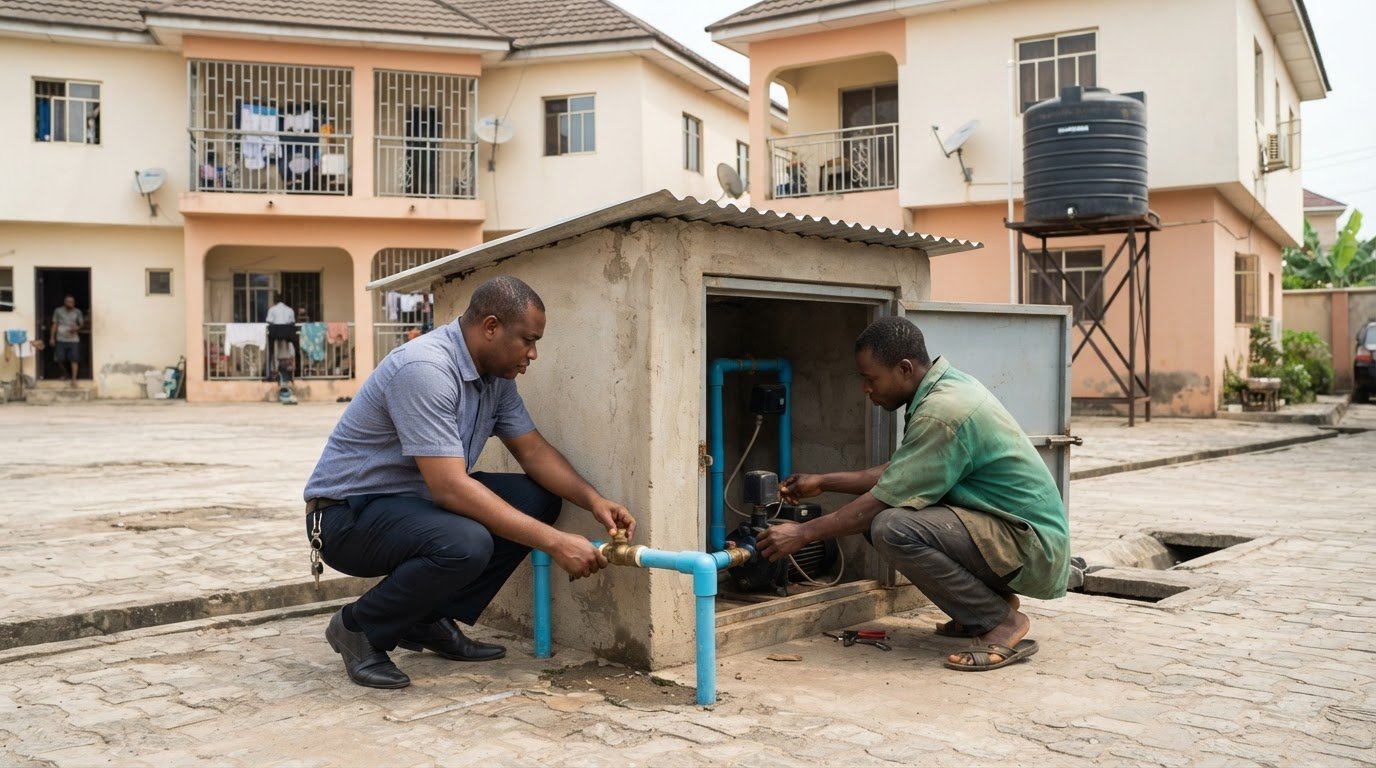
Software can turn scattered rental tasks into one organised workflow. A practical way to learn how to manage multiple rental properties is to use a central system for tenant details, lease dates, maintenance requests, records and financial tracking. Keep urgent or sensitive decisions, including safety concerns and complaints, under human oversight.
It makes sense to expect software to save time, especially when the same tasks recur across several properties. Its real benefit is clearer oversight: you can see what needs attention, keep important dates visible and review each property’s activity without relying on scattered notes.
This guide explains how to organise daily management, what software can simplify and how to track property performance. It also covers when a property management company may be a sensible next step, such as when routine oversight takes too much time or makes it difficult to grow your portfolio.
Key Takeaways
- Keep tenant contacts, lease dates, agreements and maintenance history in one organised system so key details are easier to retrieve.
- Use software reminders and a shared calendar to keep renewals, payment follow-ups, inspections and maintenance tasks visible.
- Track income, expenses, vacancies and repairs property by property to understand each rental’s performance.
- Consider professional property management when daily oversight takes too much time or makes it harder to grow your portfolio.
1. Organising tenant communication, lease dates, and records
Create one digital record for each property and tenant. Store the signed tenancy agreement, contact details, move-in date, renewal date, payment history, inspection notes, and maintenance requests together. Use consistent file names, such as “Flat A, 2026 tenancy agreement,” so a landlord can retrieve the right document quickly. Give access only to people responsible for that property.
Standardise routine communication with templates for rent reminders, repair acknowledgements, inspection arrangements, and renewal notices. Add the tenant’s name, property, issue, and next step before sending each message. Set a target of replying to tenant emails within 24 hours. A clear acknowledgement helps tenants understand that a request is logged, even when a repair needs more time.
Use a calendar to flag renewal dates and schedule follow-ups. One approach is to contact tenants 120 days before renewal and seek a decision by 90 days before the end date. Record each response, agreed action, and deadline. A LinkedIn contributor recommends a residential tenant retention rate of 70-80%; consistent, respectful communication can support stronger tenant relationships.
In Nigeria, landlord-tenant requirements depend on the state where the property is located and the tenancy arrangement. Use the applicable state rules and signed agreement to guide rent terms, notices and responsibilities. For late rent, record the amount due, payment dates, reminders and the tenant’s response. Handle disputes through documented communication and the relevant formal process.
For guest communication, keep enquiries and active issues in a shared queue, tagged by property and urgency. Assign a responsible person and record the latest reply so a handover doesn’t leave a guest waiting. Choose insurance based on the building and its risks, and pair it with practical security measures such as sound locks, controlled access and documented incidents. Keep accounting records separate for each property to clarify rent and outstanding balances.
2. What are the benefits of using software when managing multiple properties?
A property management calendar can bring renewal dates, planned inspections, rent-payment reminders and outstanding repairs together. Set alerts for each property and assign someone to handle the next step. For example, a reminder before an inspection can prompt the manager to arrange access, record the visit and log any follow-up work.
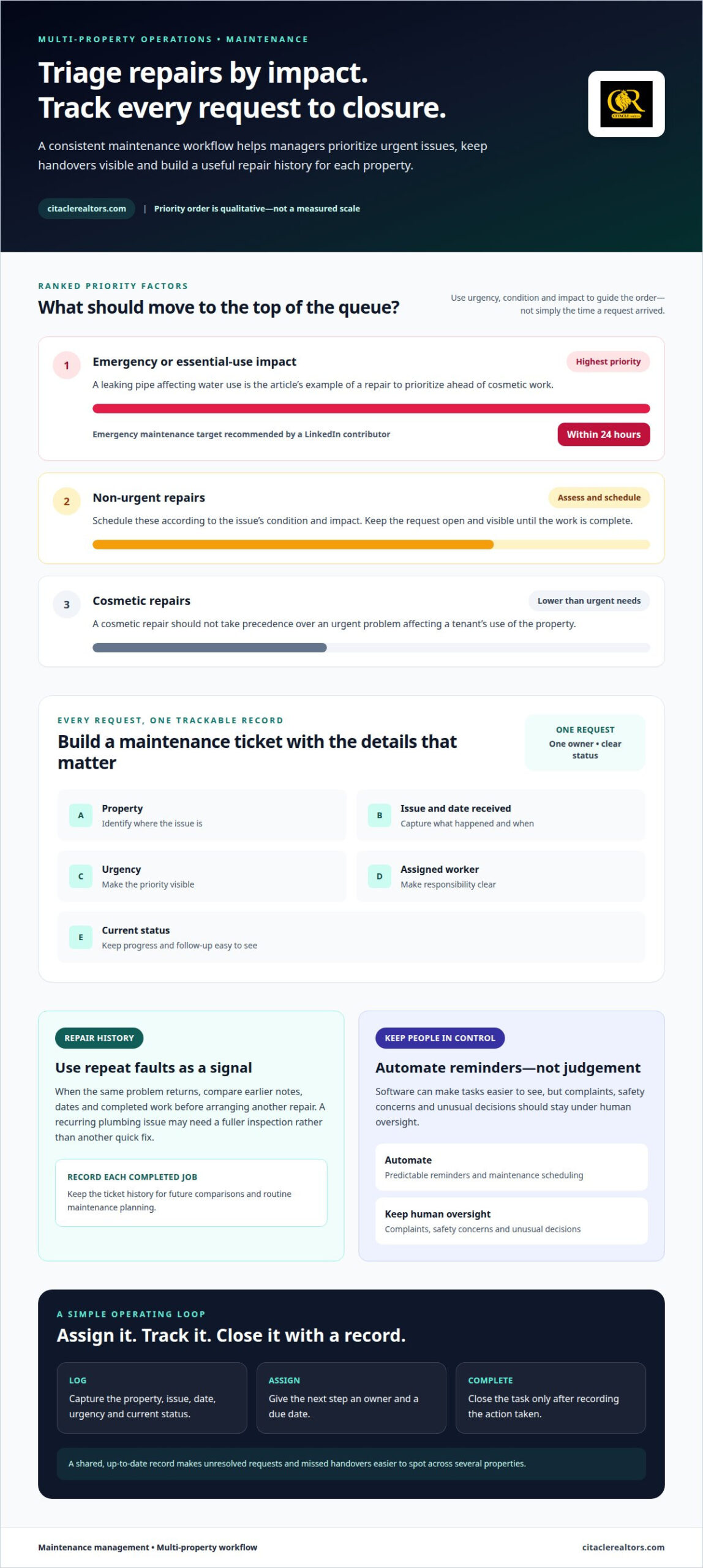
Maintenance ticketing turns a tenant’s report into a trackable request. Record the property, issue, date received, urgency, assigned worker, and current status. A leaking pipe affecting water use should be prioritised ahead of a cosmetic repair. Set a clear target: a LinkedIn contributor recommends resolving emergency maintenance repairs within 24 hours, while non-urgent issues can be scheduled according to their condition and impact.
Use each completed maintenance ticket to build a useful repair history. If the same fault returns, compare earlier notes, dates and completed work before arranging another repair. A recurring plumbing issue, for instance, may need a fuller inspection rather than another quick fix. A maintenance schedule also helps plan routine checks and reduces reliance on memory when several properties need attention.
Software can connect maintenance planning with income and payments. A dashboard showing rent payments alongside open repair requests helps managers see which properties need follow-up. Keep unexpected repairs visible in the property’s records, then review their effect on its finances. Automate predictable reminders, but keep complaints, safety concerns and unusual decisions under human control. This makes the system useful without letting an alert replace judgement.
For a practical setup, create separate alert categories for renewals, payments, scheduled checks and maintenance. Give every task a due date and an owner, then close it only after recording the action. This simple workflow makes missed handovers and unresolved requests easier to spot.
3. Benefits of software for managing several properties
Property management software brings property records, accounting, maintenance requests, reminders and rent tracking into a structured system. In Nigeria, landlords can use dedicated property platforms, accounting software or a combination of spreadsheets and shared calendars. A useful answer to how to manage multiple rental properties is to keep each property’s income and expenses distinct, so a repair at one property doesn’t blur another’s performance.
For accounting, record rent received, outstanding balances, deposits, utilities, insurance and repair expenses. A monthly review can compare each property’s income with its costs and flag missing entries. If an accountant helps with reporting, organised digital documents make it easier to retrieve invoices and payment records without sorting through separate email threads.
A dashboard should make useful information visible at a glance. Set it to show occupancy, rent status, open maintenance requests, upcoming lease dates and recent expenses. For example, if one unit has overdue rent and an unresolved repair, the owner can see both issues together and plan follow-up. Review the underlying records before acting on a summary or alert.
Choose software based on portfolio size, number of users, record-keeping needs and the tasks you want to manage. For owners deciding how to manage multiple rental properties, prioritise systems that suit Nigerian operations and support the records and workflows they use. Compare functions, data access, support arrangements and payment terms before adopting a system.
There is no single software price that applies to every landlord. Pricing depends on features, property count, number of users and whether payment is subscription-based or arranged differently; providers give the price after a quote request. Start by listing essential functions, such as accounting reports, maintenance tracking, document storage and reminders. Then assess whether the system’s workflow fits how you actually manage your properties.
Test a practical workflow before transferring every record: enter one property, log an expense and review a dashboard report. This shows whether the software supports your daily decisions.
4. When to hire a property management company
There’s no fixed property count that determines when professional management becomes necessary. More than three rentals can make tasks harder to track, but the right point depends on your time, experience, tenant needs, property condition and how far apart the homes are. A nearby, well-maintained portfolio may be manageable for longer than properties spread across different locations with frequent repair needs.
Look for signs that your current arrangement is failing. Rent follow-ups, inspections, tenant concerns and repair coordination may regularly compete with work or family responsibilities. If requests remain open, records fall behind or planned inspections keep slipping, list the tasks causing delays. Software can automate reminders, but it can’t carry out inspections or make every judgement call.
Growth can change what works. A setup that handles five properties may become difficult as the portfolio expands, especially when each home needs separate attention. Manual administration may also become harder across portfolios of 20 properties or 50 or more. These examples are not universal thresholds; the workload depends on property spread, condition, turnover, and the level of service tenants need.
Hiring a manager can make sense when oversight takes too much time, routine duties are consistently missed or administration prevents further acquisitions. You can also choose a shared arrangement: retain financial decisions while delegating tenant communication, maintenance coordination or inspections. Before deciding, write down recurring tasks, who handles them and where delays occur. This review helps identify whether you need full management or support with specific responsibilities.
For a Nigerian rental portfolio, consider whether the management arrangement assigns clear responsibility for communication, record-keeping, inspections and maintenance follow-up. Seek help when the time and coordination demands exceed your ability to provide consistent oversight, not simply because you own a particular number of properties.
Citacle Realtors: Duplex Rentals
Citacle Realtors offers duplex rentals and property management for people seeking a rental home or support overseeing rental property. If tenant communication, maintenance coordination and property records are taking more time than you can give, professional management can be a practical next step. The right arrangement depends on the responsibilities you want handled and your property’s needs.
For renters, a duplex may suit households looking for a residential rental with distinct living spaces. For property owners, management support can help organise routine oversight and coordinate property-related responsibilities. Facilities management may also be relevant when maintaining shared or operational aspects of a property is part of your needs.
Whether you are considering a duplex rental or seeking support with rental property oversight, contact Citacle Realtors to discuss your needs.
Build a rental operation that can grow
A sustainable rental portfolio needs more than a collection of reminders. It needs a clear division between tasks software can organise and decisions that still require your attention. As your responsibilities change, revisit how much time you can give each property and what you want your day-to-day role to be.
A practical approach to how to manage multiple rental properties starts with choosing the level of support that fits your priorities. You might retain direct oversight, delegate selected responsibilities or seek broader management support. A clear decision can help you build a more manageable routine as your property plans develop.
Citacle Realtors offers Property Management, Facilities Management and Residential Land Sales. These services may suit owners considering professional oversight or people planning their next property step.
When you’re ready to discuss your property needs, contact Citacle Realtors today. Take the next step with clarity and confidence.
Frequently Asked Questions
What are the benefits of using software when managing multiple properties?
Software can make portfolio information easier to retrieve and hand over. For example, a new staff member can review the history of a tenant’s reported issue instead of relying on verbal updates. Access permissions also help limit sensitive financial or tenancy documents to authorised users. This is especially useful when an owner, accountant and maintenance coordinator each need different information.
How many properties can a single person manage?
There isn’t a universal property limit for one person. Capacity depends on how far apart the homes are, their condition, tenant needs, turnover, and the owner’s available time and experience. Someone overseeing nearby, stable properties may manage more than someone handling frequent repairs across a widely spread portfolio. Assess workload by task, not just by counting property addresses.
What Features Should You Look For?
Prioritise features that match your workflow: property-level records, role-based access, searchable documents, accounting reports and a clear maintenance history. Check whether you can export records in a usable format. For example, an owner preparing a handover should be able to retrieve tenancy documents and payment records without rebuilding the file manually.
When should I consider hiring a property manager?
Consider professional management when important responsibilities repeatedly compete for your attention. If work travel makes it difficult to coordinate repair access or respond consistently to tenant concerns, for example, delegated oversight may be practical. Review which duties create the most pressure, then decide whether you need support with selected tasks or broader property management.
How do landlords track rent payments, expenses, and maintenance across properties?
Use a separate ledger or account record for each property, with entries tied to dates and supporting documents. Match rent receipts to the relevant tenancy and record expenses by type, such as utilities or repairs. For maintenance, connect each invoice to the original issue and property. This creates an auditable trail and helps distinguish recurring costs from one-off work.
Should I hire a property manager or self-manage multiple rental properties in Nigeria?
Self-management can suit owners who have time to handle tenant communication, records, and property oversight directly. A property manager may be a better fit when distance, competing responsibilities, or recurring issues make consistent follow-through difficult. Consider which decisions you want to retain and which duties you’re prepared to delegate. In Nigeria, Citacle Realtors offers Property Management for owners seeking professional oversight.