
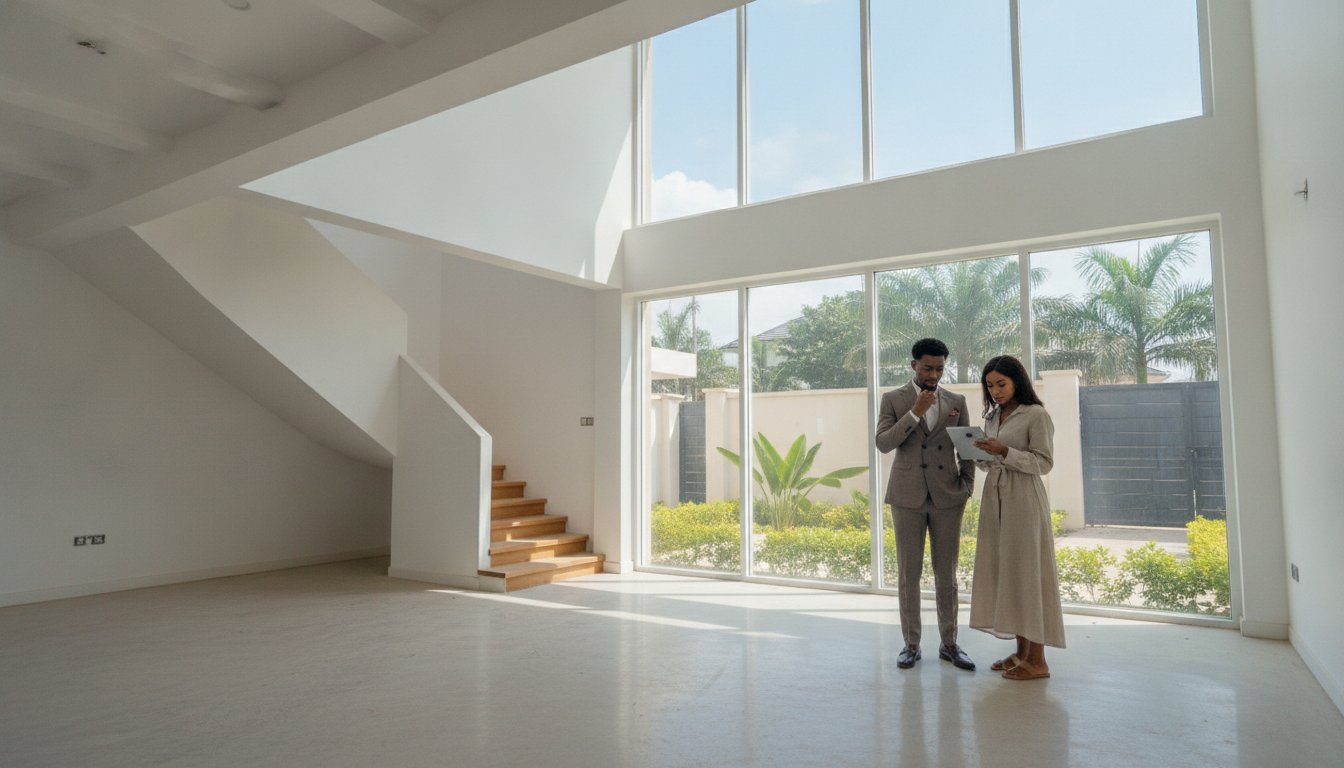
Imagine walking into your beautiful new multi-level home, only to discover a week later that the upstairs bathroom has been slow-leaking into the living room ceiling for months. It’s a frustrating scenario that often leads to heated disputes over security deposits and unexpected repair bills. While most renters focus on the floor plan and the kitchen, a vertical property requires a more strategic and detailed approach. Using a comprehensive duplex inspection checklist for tenants is the best way to ensure you aren’t inheriting someone else’s structural or plumbing headaches.
We know you’re looking for more than just a roof; you’re looking for a sanctuary where every fixture and fitting works exactly as it should. You shouldn’t have to worry about hidden electrical faults or confusion over who is responsible for the exterior compound. This guide will empower you to document your property’s state with professional precision, ensuring a smooth and organized move-in process. We’re going to walk through the essential checks for multi-level living, from assessing structural integrity to clarifying maintenance duties, so you can settle in with total peace of mind.
Key Takeaways
- Learn why a vertical audit is necessary to document the condition of both levels and safeguard your security deposit.
- Identify structural red flags by examining external walls for settling cracks and verifying the integrity of the gate system.
- Use our duplex inspection checklist for tenants to test water pressure in upper-floor bathrooms and ensure the internal staircase is safe for your family.
- Navigate a room-by-room walkthrough that covers everything from the ground-floor guest toilet to the master ensuite upstairs.
- Discover the benefits of renting a managed property where professional oversight ensures your move-in findings lead to real repairs.
Understanding the Duplex Rental Inspection: Why It Matters
A duplex inspection is a comprehensive audit of a two-story residential unit. It’s a methodical examination of every corner, from the ground-floor guest toilet to the master ensuite upstairs. When you move into a multi-level home, you’re moving into a complex environment where systems on one floor often affect the other. Documenting the condition of both levels before you sign that lease is a vital step for your peace of mind. By utilizing a thorough duplex inspection checklist for tenants, you establish a professional rapport with your property manager. It shows you’re a tenant who values the property’s integrity and understands the standards of a high-quality rental.
The Legal and Financial Shield
Your move-in report acts as a robust legal and financial shield. In the Nigerian rental market, the return of your caution fee depends entirely on the property’s condition when you eventually move out. If you lack proof that a hairline crack in the dining area was there when you took the keys, you might be held responsible for it. For a reliable home inspection overview, professionals emphasize that documentation is the best defense against future disputes. We recommend using your smartphone to take clear photos and videos of every room. This digital timestamp serves as an objective record of the property’s state. It’s a simple act that offers long-term security for your deposit.
Setting Expectations for Maintenance
A detailed walkthrough helps define who is responsible for specific repairs from day one. In a duplex, structural issues like roof leaks or foundational cracks are typically the landlord’s burden, while minor cosmetic fixes might fall to the resident. Identifying these nuances early prevents long-term habitability issues. For instance, a slow leak in an upper-floor bathroom can eventually damage the ground-floor ceiling. Catching this during your initial duplex inspection checklist for tenants walkthrough ensures the issue is logged before you’re settled. Renting a home overseen by a dedicated facilities management team often leads to faster maintenance responses. It ensures that the high standards of construction you expect are maintained throughout your stay, keeping your home functional and beautiful.
Evaluating Exterior and Structural Security
Step outside and look up. A duplex represents a significant step up in your living standards, so the external environment needs to be just as secure and well-maintained as the interior. Start your walkthrough by examining the perimeter fencing. The gate system is your first line of defense; it should operate smoothly whether it’s an automated slider or a traditional manual swing gate. Check the boundary walls for height and stability. They shouldn’t just look the part; they must feel solid and provide the privacy you’re paying for. Don’t forget to test the external lighting during your visit. Sufficient illumination around the compound is a non-negotiable safety feature for any modern home.
As you move through your duplex inspection checklist for tenants, pay close attention to the external walls. It’s common to see very fine hairline cracks, which often just indicate the building is settling. However, larger gaps or cracks that follow a stair-step pattern in the brickwork deserve a closer look. These could signal deeper structural issues that might cause problems later. Documenting these early ensures you aren’t held responsible for pre-existing settling. If you’re looking for a home where these structural details are already expertly vetted, you might consider browsing our professionally managed duplex rentals for a worry-free experience.
Perimeter and Access Control
Testing the gate isn’t just about security; it’s about daily convenience. Listen for grinding sounds or resistance that might suggest the motor or hinges are failing. Inspect the base of the boundary walls for signs of rising damp or crumbling plaster. These issues often stem from poor external waterproofing and can eventually affect the indoor air quality. Ensure that all access points, including pedestrian gates and garage doors, have high-quality locks that haven’t been compromised by weather or wear.
The Roof and External Drainage
Water is a property’s greatest enemy, especially in a multi-level building. Look at the roofline and gutters from a distance. Are the gutters sagging? This often indicates they’re blocked by debris or weren’t installed with the correct pitch. Check the eaves of the upper floor for tell-tale water stains, which are a clear sign of roof leaks. This level of scrutiny is a standard part of any comprehensive tenant rental inspection checklist because it prevents “hidden” disasters. Ensure that all downpipes are properly channeled away from the building’s foundation to prevent water pooling in the yard. Finally, give the balcony railings a firm shake. They should be rigid and free from deep rust, ensuring they remain safe for your family and guests.
Assessing Internal Systems: Plumbing, Electrical, and Multi-Level Safety
A duplex is more than just a spacious home; it’s a complex machine with systems that span multiple levels. When you’re conducting your walkthrough, you need to look beyond the surface aesthetics. Internal systems like plumbing and electrical wiring behave differently in a two-story structure. For example, gravity plays a significant role in how water reaches your upper-floor taps. A reliable duplex inspection checklist for tenants must prioritize these vertical connections to prevent future inconveniences. Start by checking the ground-floor ceilings. Any discoloration or damp patches often point to a leak from the bathrooms directly above. Catching these signs early protects your furniture and ensures the landlord addresses plumbing faults before you move in. It’s about ensuring your new home is as functional as it is visually appealing.
Vertical Plumbing Dynamics
Water pressure is a common pain point in multi-level rentals. Open the taps in the guest toilet on the ground floor and compare the flow to the master ensuite upstairs. If the pressure drops significantly on the top floor, the building’s pumping system or overhead tank may need professional attention. Flush every toilet to verify the refill speed and check for any lingering sounds of running water. It’s also vital to peer inside under-sink cabinets for signs of mold or warped wood, which indicate past or current leaks. In the master suite, test the geyser functionality to ensure you have consistent hot water for your daily comfort.
Electrical Safety and Staircase Integrity
The staircase is the heart of your duplex, but it’s also a high-traffic safety zone. Your duplex inspection checklist for tenants should include a physical stress test of the handrails and balustrades. They must be firm and capable of supporting weight without wobbling. Check the treads for any slippery finishes or loose tiles that could cause a fall. Lighting is equally important; ensure the stairwell is brightly lit to prevent accidents at night. We recommend checking the electrical distribution board (DB) to verify it’s properly labeled. In a well-managed duplex, the switches for the ground floor should be clearly separated from the upper floor. This organization is a hallmark of professional electrical work.
Before concluding your internal review, take a moment to verify the safety features that protect your family. Test every socket with a small device and flip every light switch to ensure the wiring is intact. We suggest looking for the following fire safety provisions on each level:
- Functional smoke detectors in common areas and near bedrooms.
- Clear access to emergency exit points, including balcony doors.
- Fire extinguishers that are within their service dates.
These small details provide the steady assurance that your new home is secure. By documenting these systems now, you set a standard of excellence for your tenancy and ensure a smooth move-in process.
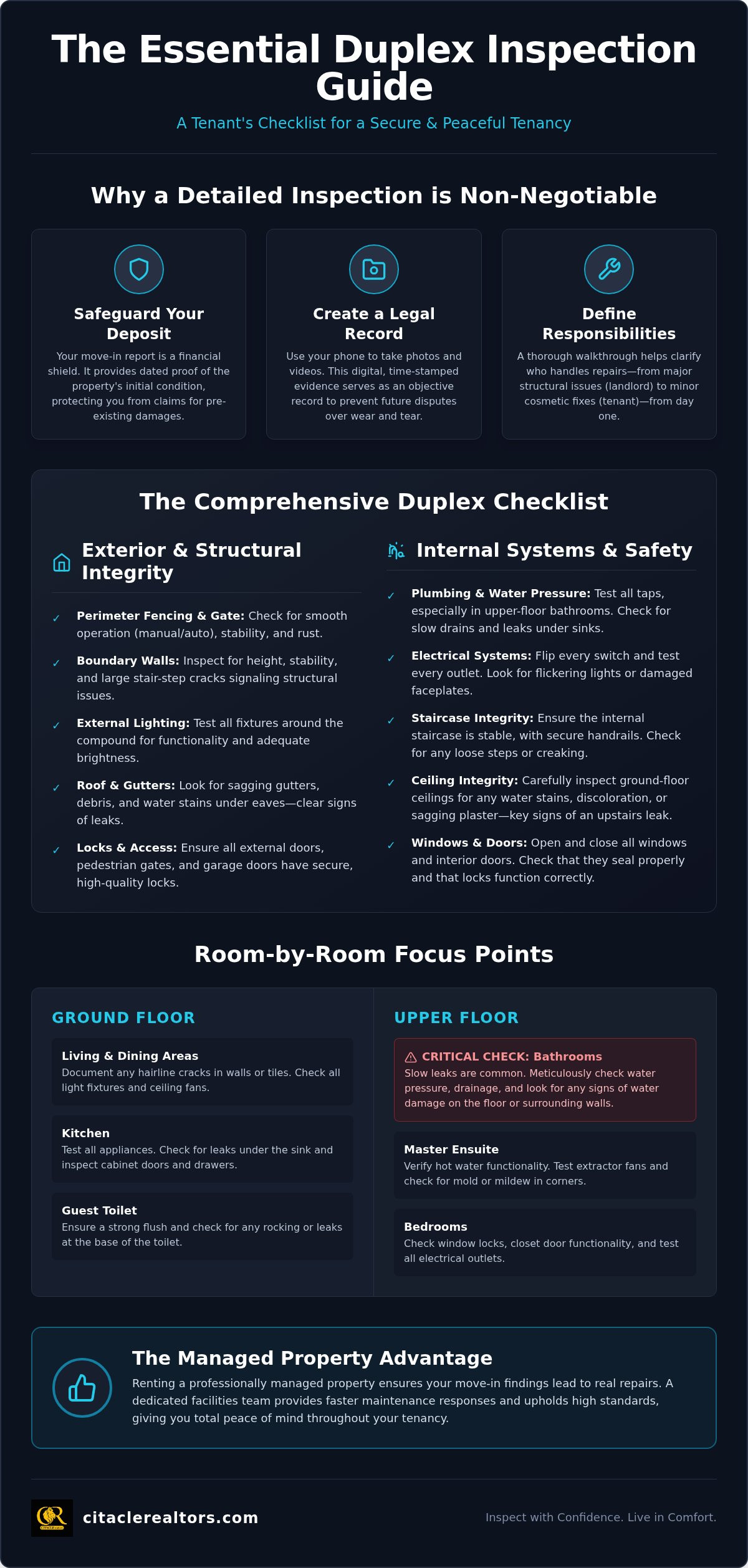
The Essential Room-by-Room Duplex Inspection Checklist
Performing a granular, room-by-room walkthrough is the final layer of your due diligence. While previous steps addressed the building’s structural bones, this stage of your duplex inspection checklist for tenants focuses on the daily touchpoints that define your living experience. By moving systematically through each level, you ensure that every square inch of your new residence meets the high standards of a premium rental. This methodical approach transforms a house into a home where excellence is the baseline and every fixture works in harmony with your lifestyle.
Ground Floor and Common Areas
The ground floor serves as the public face of your duplex. In the main lounge and dining area, pay close attention to the floor tiles. Tap them gently to listen for hollow sounds that might suggest poor adhesive work or future lifting. In the kitchen, your audit should be particularly rigorous. Check that the cabinet hinges operate smoothly without squeaking and verify that the countertop sealing is intact to prevent water damage to the woodwork. A well-ventilated pantry is also essential for maintaining a fresh environment. Finally, test the guest toilet fixtures to ensure they’re firm and leak-free, providing a welcoming space for your future visitors.
The Private Upper Floor Retreat
Ascending to the upper floor brings you into the private heart of the home. The family lounge should be a bright, airy space, so check for adequate ventilation and natural light. In the master bedroom, document the condition of the walk-in closet and ensure the wardrobe doors align perfectly. Every ensuite room should be treated as a self-contained unit during your duplex inspection checklist for tenants walkthrough. Don’t overlook the AC point integrity; ensure the brackets are secure and the drainage pipes are correctly positioned to prevent internal dripping on your walls.
Security is paramount in the sleeping quarters. Verify that all window locks are fully functional and that balcony doors seal tightly against rain ingress. If you’re evaluating a luxury duplex for rent in Nigeria and want to understand what premium features and market rates to expect in 2026, our dedicated family home guide covers everything from pricing benchmarks to the reliability standards that truly matter. If you’d prefer to skip the stress of a DIY audit, you can find move-in ready duplexes that have already passed our rigorous professional standards. This ensures your transition into a new home is as smooth and sophisticated as the property itself. By being observant and proactive today, you secure your comfort and your security deposit for the years to come.
Navigating Your Tenancy with Professional Property Management
The difference between a stressful rental experience and a seamless one often comes down to who holds the keys to the maintenance schedule. When you rent a duplex from a private individual, you might find yourself chasing a landlord for weeks just to fix a leaky upper-floor faucet. In contrast, a professionally managed facility operates with a structured, service-oriented approach. Once you’ve completed your duplex inspection checklist for tenants, a dedicated management team ensures that every highlighted issue is addressed before you move your first box. This professional oversight transforms a list of concerns into a verified punch-list for repairs, giving you the steady assurance that your new home is truly move-in ready. Before committing to any managed property, it’s equally important to know the right questions to ask when renting a managed property so you can vet the quality of service, security protocols, and maintenance response times before you sign.
The Value of Managed Duplexes
Modern duplexes are complex assets that require more than just occasional attention. They benefit from the expert oversight of a facility management firm that understands the intricacies of multi-level plumbing and shared security systems. At Citacle Realtors, we bridge the gap between the property owner and the resident, acting as a visionary local expert that prioritizes your comfort. You gain access to reliable maintenance support for structural issues and professional handling of common area utilities. This means you don’t have to worry about the perimeter lighting or the borehole pump; our team manages the background details so you can enjoy the foreground of your life.
Finalizing the Tenancy Agreement
Your inspection report shouldn’t just be a personal record; it’s a vital component of your legal relationship with the property. We recommend reviewing your lease to ensure that any significant findings from your duplex inspection checklist for tenants are included as formal addendums. This protects your security deposit by documenting the property’s baseline state from day one. If you’ve identified areas that require minor renovations or upgrades, this is the time to request them. Linking your initial inspection to professional residential property management services ensures long-term value for your tenancy. It creates a clear path for future maintenance requests and provides a transparent framework for a smooth move-out process years down the line. We believe that a well-documented start is the foundation of a happy home.
Secure Your Future in a Perfectly Vetted Home
Mastering your move-in process starts with careful observation and a commitment to quality. By applying a thorough duplex inspection checklist for tenants, you protect your financial interests and ensure your multi-level residence is truly a sanctuary. You’ve learned how to audit vertical plumbing dynamics, verify structural security, and document every room with professional precision. These proactive steps eliminate the anxiety of hidden repairs and set a high standard for your upcoming tenancy, ensuring your move-in is as organized as it is exciting.
At Citacle Realtors, we believe every tenant deserves a home that meets the highest standards of construction and service. We invite you to Discover Premium Managed Duplexes for Rent Across Nigeria where our expertise in professional facility management and expert asset valuation ensures your peace of mind. With our dedicated tenant support, you can transition into your new space with total confidence and the steady assurance of a visionary local partner. We’re eager to help you find a space that perfectly reflects your lifestyle and values. Welcome to a better way of renting.
Frequently Asked Questions
Who should be present during the duplex inspection?
Ideally, both the tenant and the landlord or their authorized property manager should be present for the walkthrough. Having both parties on-site ensures that any discovered issues are acknowledged and agreed upon immediately. If the unit is part of a managed facility, a dedicated manager will often lead the process. This shared presence prevents future disputes about when specific damages occurred, establishing a transparent and professional foundation for your entire tenancy.
What happens if I find damages after I have already moved in?
You should document the damage immediately with clear, timestamped photos and notify your property manager in writing. Most tenancy agreements include a short grace period, typically between 7 and 14 days, to report latent defects that weren’t obvious during the initial walkthrough. Prompt communication is essential here. If you’re renting a managed property, the response is usually more structured, ensuring the issue is logged and addressed without affecting your security deposit.
Is the tenant responsible for fixing the roof of a duplex?
No, structural repairs such as roof leaks, foundational cracks, or external wall issues are almost always the landlord’s responsibility. Tenants are generally only expected to handle minor internal maintenance or repairs caused by their own accidental damage. If you notice sagging gutters or ceiling stains during your duplex inspection checklist for tenants review, ensure these are documented as landlord obligations. A clear lease agreement will protect you from these significant costs.
How long does a thorough duplex inspection usually take?
A comprehensive inspection of a multi-level home typically requires between 90 minutes and three hours. Because a duplex features complex vertical plumbing and electrical systems across two floors, you shouldn’t rush the process. You need enough time to test every tap, light switch, and window on both levels. Taking your time allows you to spot subtle signs of dampness or structural settling that a quick walkthrough would likely miss. This thoroughness is a global standard, much like the detailed approach taken during a home inspection Indianapolis to verify a building’s integrity.
Yes, you can certainly negotiate for property renovations before you sign the final lease. If your inspection reveals outdated fixtures or significant wear, a professional firm like Citacle Realtors can facilitate these improvements to ensure the home meets modern standards. It’s much easier to have these works completed while the property is still vacant. Always make sure any agreed-upon upgrades are captured in writing as a formal condition of your move-in.
What are the red flags to look for in a duplex rental?
Major red flags include fresh paint patches on ground-floor ceilings, which often hide active leaks from the bathrooms directly above. You should also watch for low water pressure on the top floor and cracks that follow a stair-step pattern in the external masonry. These signs often point to deeper plumbing or structural issues. If the electrical distribution board isn’t clearly labeled or shows signs of scorching, it’s a clear indicator of neglected maintenance.
Should I pay the caution fee before or after the inspection?
You should only pay your caution fee and rent after you’ve conducted a preliminary inspection and are satisfied with the property’s condition. While some firms might ask for a small commitment fee, the bulk of your payment should follow the verification of the home’s state. Using a duplex inspection checklist for tenants gives you the necessary leverage to request essential repairs before you commit your funds. This approach ensures your financial security from day one.
How often should a routine property inspection occur during the tenancy?
Routine inspections typically occur once or twice a year, depending on your specific lease terms. Professional facility management teams conduct these periodic check-ins to ensure all building systems are functioning safely and to catch minor maintenance needs before they become major problems. These visits are designed to be collaborative rather than intrusive, helping to maintain the property’s value. You’ll always receive adequate notice, usually 24 to 48 hours, before any scheduled visit.