
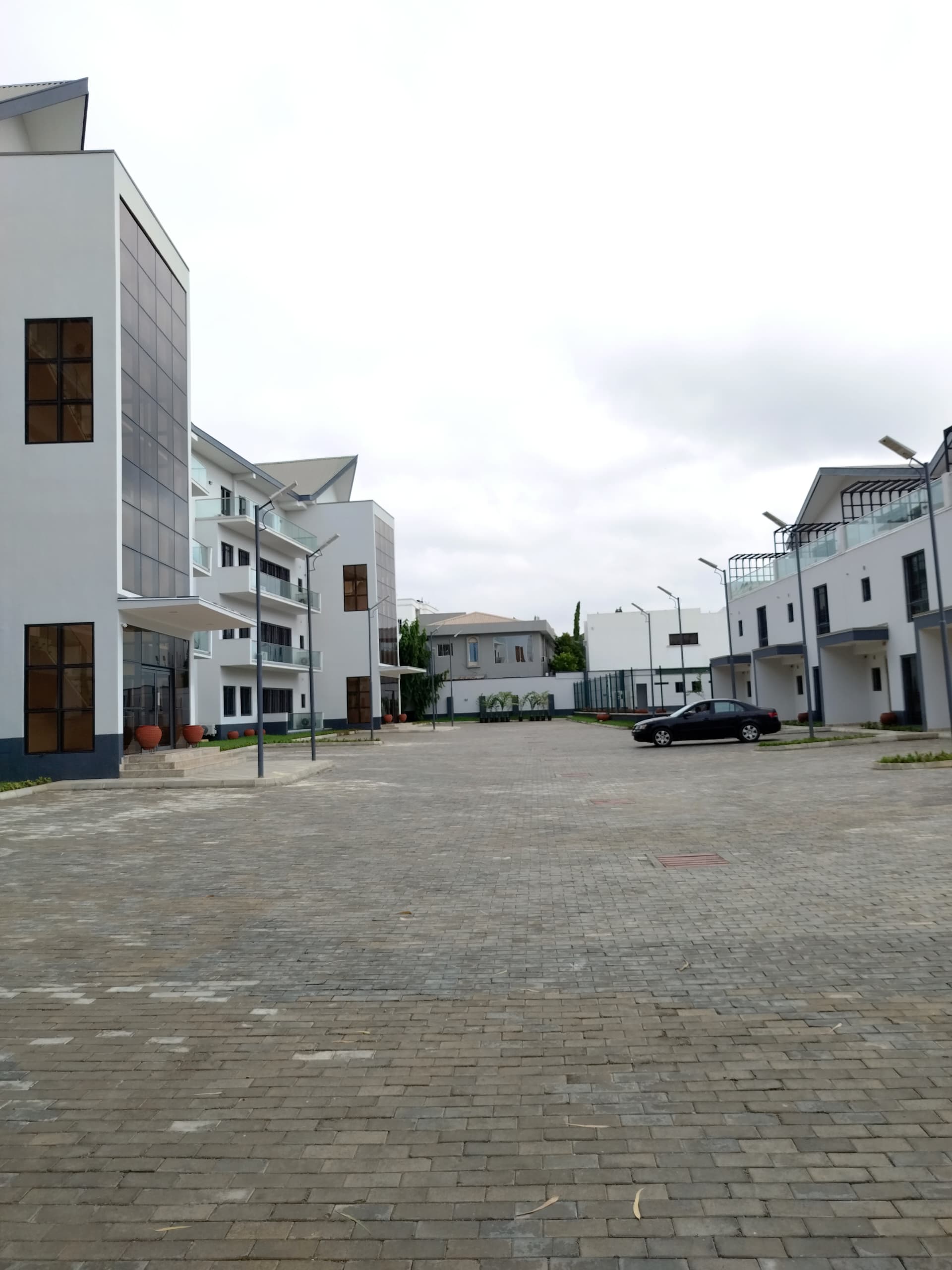
For first-time investment property buyers in Abuja — especially salaried professionals and small business owners trying to turn rent into steady income — the excitement can clash with real stress fast. The biggest challenges often show up early: finding a property with a clean title, understanding what documentation is legally enforceable, choosing reliable tenants, and avoiding costly surprises when disputes or removals come up. These are normal risks in the Nigerian real estate market, and they’re exactly what keeps many beginner investors stuck between “ready to buy” and “afraid to regret it.” A clear grip on how property buying actually works in Abuja makes the process feel controlled.
Quick Summary
- Understand Nigeria’s land ownership framework before you tour a single property.
- Know which title documents are acceptable and how to verify them independently.
- Plan your payment structure — whether cash, installment plan, or NHF — before you start shopping.
- Set up practical management operations to handle tenanting, rent collection, and upkeep from day one.
Understanding Land Ownership in Nigeria First
Before anything else, it helps to understand one foundational fact: in Nigeria, no individual owns land outright. Under the Land Use Act of 1978, all land is vested in the state governor, who holds it in trust for the public. What buyers actually acquire is a right of occupancy — typically issued for 99 years — rather than freehold ownership in the Western sense. In Abuja (FCT), this right is administered through AGIS (Abuja Geographic Information Systems), which is the relevant land registry for the territory.
This is not a weakness of the system — it is simply how it works, and millions of Nigerians own, rent out, and profit from property within it every day. What it does mean is that documentation and due diligence matter enormously, and cutting corners here is where most bad purchases begin.
Follow a First-Time Investment Property Buying Plan
Here’s how to move from plan to action in the Nigerian context.
Step 1: Set your cash-flow target and payment boundaries
Decide the minimum monthly rental income you need after all costs, and how much cash you can realistically set aside for repairs and vacancy periods. In Abuja, most purchases are made outright in cash or through structured installment plans with developers — bank mortgage access remains limited and often expensive, with rates frequently exceeding 18%.
Be honest about which payment route fits your situation: outright purchase, a developer’s installment plan (common with off-plan properties), or an NHF (National Housing Fund) mortgage if you are eligible. Write your maximum purchase price down before you start looking, so you’re not making emotional decisions on a viewing.
Step 2: Run a stress test before you shop
Before approaching any listing, run a simple “worst case” scenario: assume your unit sits vacant for two to three months, rent dips from current market rates, and one significant repair comes up in year one. If the numbers still make sense, you are less likely to panic or take shortcuts on tenant screening during a slow period.
Also, think about which neighborhoods hold rental demand across income cycles — mid-market areas like Wuse 2, Garki, Kubwa, and parts of Lugbe tend to sustain demand more consistently than high-end zones that rely on expatriate or corporate tenants. Nigeria’s 2016 and 2020 recessions both showed that downturns shift demand toward more affordable stock rather than eliminating it, so buying with cash and targeting mid-market areas is the approach most likely to hold up if economic conditions tighten again.
Step 3: Build a property cash-flow worksheet you will reuse
Create a consistent template for every address you evaluate so you can compare properties fairly. Include realistic operating costs: agency fees, annual ground rent to AGIS, service charges (for estates), maintenance reserves, and a vacancy allowance. Estimate rent conservatively using current market data from platforms like Nigeria Property Centre, not the seller’s projections. Only add extra income streams — like parking fees or service charges passed to tenants — if they are realistic and clearly permitted under the tenancy agreement you intend to use.
Step 4: Verify the title before you go further — not after
This step cannot come too early. Nigeria’s EFCC has reported that over 70% of real estate fraud cases involve title problems, and in 2021 alone, over 2,000 properties in Abuja were demolished because they lacked valid documentation. Before making any payment or commitment, instruct a qualified property lawyer to verify the following documents:
- Certificate of Occupancy (C of O): The strongest title document, issued once by the government to confirm the original right of occupancy. Verify its authenticity directly with AGIS.
- Deed of Assignment with Governor’s Consent: Required when a C of O property is being resold. The Governor’s Consent is the government’s formal approval of the ownership transfer — without it, the transaction is legally incomplete.
- Survey Plan: Confirms the exact boundaries and measurements of the land. Cross-check with the Surveyor-General’s office and, where possible, commission an independent survey.
- Building Approval Plan: Confirms the structure was built with proper authorisation. Properties built without approval are vulnerable to demolition under future administrations.
- Tax Clearance Certificate: Confirms the seller has no outstanding tax liabilities against the property.
Also conduct a court search at the FCT High Court to confirm there is no pending litigation on the property. A clean title takes time to verify — budget two to four weeks for thorough due diligence, and do not allow any seller to pressure you past this step.
Step 5: Negotiate and structure payment with protections built in
Once due diligence is satisfactory, negotiate based on your cash-flow worksheet, not sentiment. Structure your payment with clear milestones tied to document delivery and verification — never pay the full purchase price before all title documents have been confirmed clean and the Deed of Assignment is prepared. Retain your lawyer throughout. If a seller resists reasonable documentation requests or pushes for full upfront payment before paperwork is in order, treat that as a serious warning sign. A good deal walked away from is better than a bad one completed.
Plan → Lease → Collect → Maintain → Review
Once you own the property, this rhythm turns your investment into a set of repeatable habits so decisions feel predictable rather than reactive.
| Stage | Action | Goal |
| Set up the system | Create files, vendor contacts, and a single record hub | You can find anything quickly |
| Fill the vacancy | Market, screen tenants, and sign a clear lease | Stable tenancy with fewer disputes |
| Run the monthly cycle | Collect rent, reconcile bills, log issues | Clean records and steady income |
| Stay ahead on upkeep | Schedule preventive checks, track work orders | Fewer emergencies, better unit condition |
| Inspect and recalibrate | Do walk-throughs, adjust rents, update reserves | Plan matches reality before problems grow |
A few Abuja-specific notes on tenancy management:
- Rent is typically paid annually or biannually in Nigeria, not monthly. Factor this into your cash-flow planning.
- Tenancy agreements should be written, signed, and witnessed. A verbal agreement offers very little legal protection in a dispute.
- Eviction can be a slow process under Nigerian tenancy law. Thorough screening upfront — including employment verification and prior landlord references — is far more effective than dealing with a problem tenant later.
- Property management agents are widely used in Abuja and typically charge 5–10% of annual rent. If you are not based near the property or simply prefer to be hands-off, a reputable agent is worth the cost.
Property Types Compared: Cash Flow vs. Complexity
With your management rhythm in place, the next decision is what kind of rental to run.
| Option | Benefit | Best For | Consideration |
| Single flat or apartment | Simplest operations; clear unit boundaries | First-time owners building confidence | Vacancy means full income pause |
| Duplex or self-contain compound | Multiple rents diversify income | Hands-on owners or owner-occupants | More tenant communication and repairs |
| Mini estate or block of flats | Stronger cash flow per property | Investors ready for systems and agents | Higher entry cost; needs professional management |
| Commercial or mixed-use | Premium rents and longer leases | Experienced investors with larger capital | More complex leasing terms and due diligence |
A practical rule: choose the smallest option that still meets your income target without overstretching your available time and budget. Many first-time investors in Abuja start with a single self-contained flat or a two-unit duplex in a steady mid-market location before scaling. Getting your systems right on one unit is worth more than the headache of managing five poorly.
Take One Clear Step Toward Confident Property Investing in Abuja
Buying your first rental in Abuja is genuinely achievable for salaried professionals and small business owners — but it rewards those who slow down on due diligence and move fast on execution once the paperwork is clean. Understand how land rights work under the Land Use Act, verify every document independently, and plan your cash flow around realistic Nigerian market conditions rather than optimistic projections. When those pieces are in place, confidence grows because your decisions are based on facts, not pressure. This week, you can pull up current rental listings in your target area, speak with a qualified property lawyer, or confirm your payment capacity. Any one of those moves puts you ahead of most first-time buyers — and that momentum is how solid, long-term property ownership in Abuja begins.